
An 8-Day Coastal Journey Along the Sea of Japan
Noto to Amanohashidate
A coastal cycling journey through the Noto Peninsula, the Sea of Japan coastline, the scenic Five Lakes region and the iconic sandbar of Amanohashidate.
THE EXPERIENCE
8- Day Cycling Tour — Noto Peninsula to Amanohashidate, Japan
The coastline between the Noto Peninsula and Amanohashidate showcases a different side of Japan, where traditional fishing communities, rugged coastal scenery, rice terraces, and quiet seaside roads define the landscape. Following the Sea of Japan, this route passes through regions known for their maritime heritage, fresh seafood, historic port towns, and some of the country’s most scenic coastal views.
Our 8-day cycling journey explores the Noto Peninsula, the dramatic coastline of Fukui Prefecture, the Mikata Five Lakes region, and the historic ports of Wakasa and Maizuru before reaching Amanohashidate, one of Japan’s Three Scenic Views. Combining coastal riding, local culture, traditional inns, and landscapes rarely visited by international travellers, this tour offers an authentic journey through some of western Japan’s most captivating regions.
GROUP SIZE
Minimum 2 guests
Maximum 4 guests
Private departures available on request
INCLUDED
- Fully guided tour
- All meals included (excluding alcoholic beverages)
- Accommodation throughout the tour
- Hybrid E-Bike rental
- Ferry crossings Daily luggage transfers
- Support vehicle
The route connects some of the most distinctive landscapes along the Sea of Japan. Starting in the Noto Peninsula, we ride through traditional fishing communities, visit the rice terraces of Wajima, follow the coastline along the Shiokaze Line, explore the Mikata Five Lakes region and finish at Amanohashidate, one of Japan’s Three Scenic Views.
THE ITINERARY
Day 1 — Noto Island Loop
Day 1 — Noto Island Loop
67 km — 600 m elevation
Terrain — Coastal Roads & short climbs
Island Roads and Sea of Japan Views
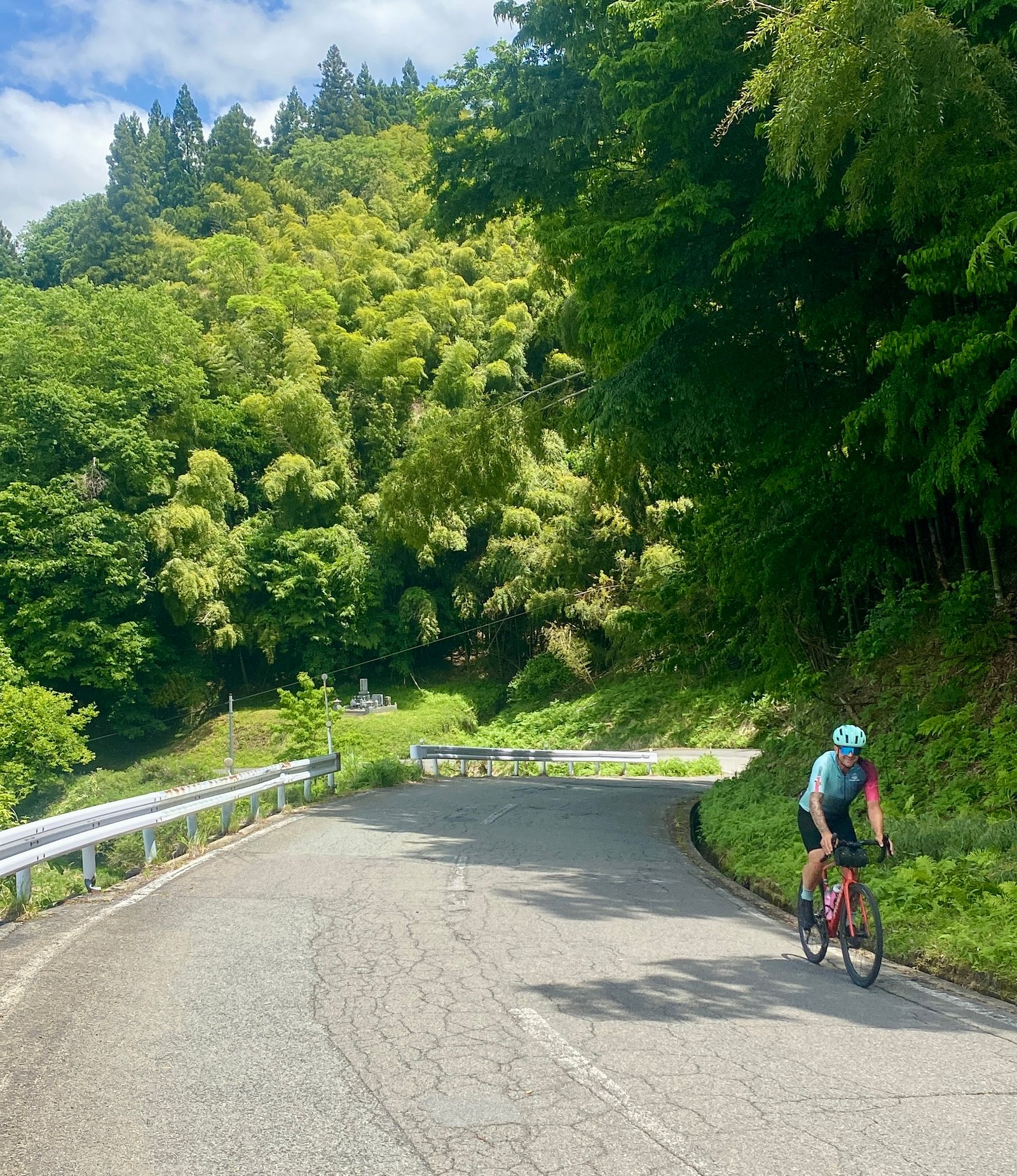
The Noto Peninsula is one of Japan’s most distinctive coastal regions and a destination increasingly appreciated by cyclists seeking to explore rural Japan beyond the country’s main tourist routes. Extending into the Sea of Japan from Ishikawa Prefecture, the peninsula is known for its fishing communities, traditional culture and coastline shaped by cliffs, small bays and agricultural landscapes.
For cyclists, Noto offers a constantly changing ride. Rather than long mountain passes, the roads follow the contours of the coastline with a steady rhythm of short climbs and descents. The sea is rarely out of sight, and each section reveals a different combination of fishing ports, quiet villages, rice fields and coastal viewpoints.
One of the region’s most famous landmarks is Shiroyone Senmaida, a series of rice terraces descending directly towards the sea. Nearby Wajima is known throughout Japan for its lacquerware craftsmanship and long maritime history, while the northern coastline features some of the peninsula’s most dramatic scenery.
What makes Noto particularly attractive for cycling is the combination of varied landscapes, low traffic roads and traditional communities. It remains one of the best places in Japan to experience everyday rural life while riding through some of the country’s most interesting coastal scenery.
Day 2 — Nanao to Noto
Day 2 — Nanao to Noto
70 KM · 700 M elevation
Terrain — Rolling terrain & sea views
Deeper into the Noto Peninsula
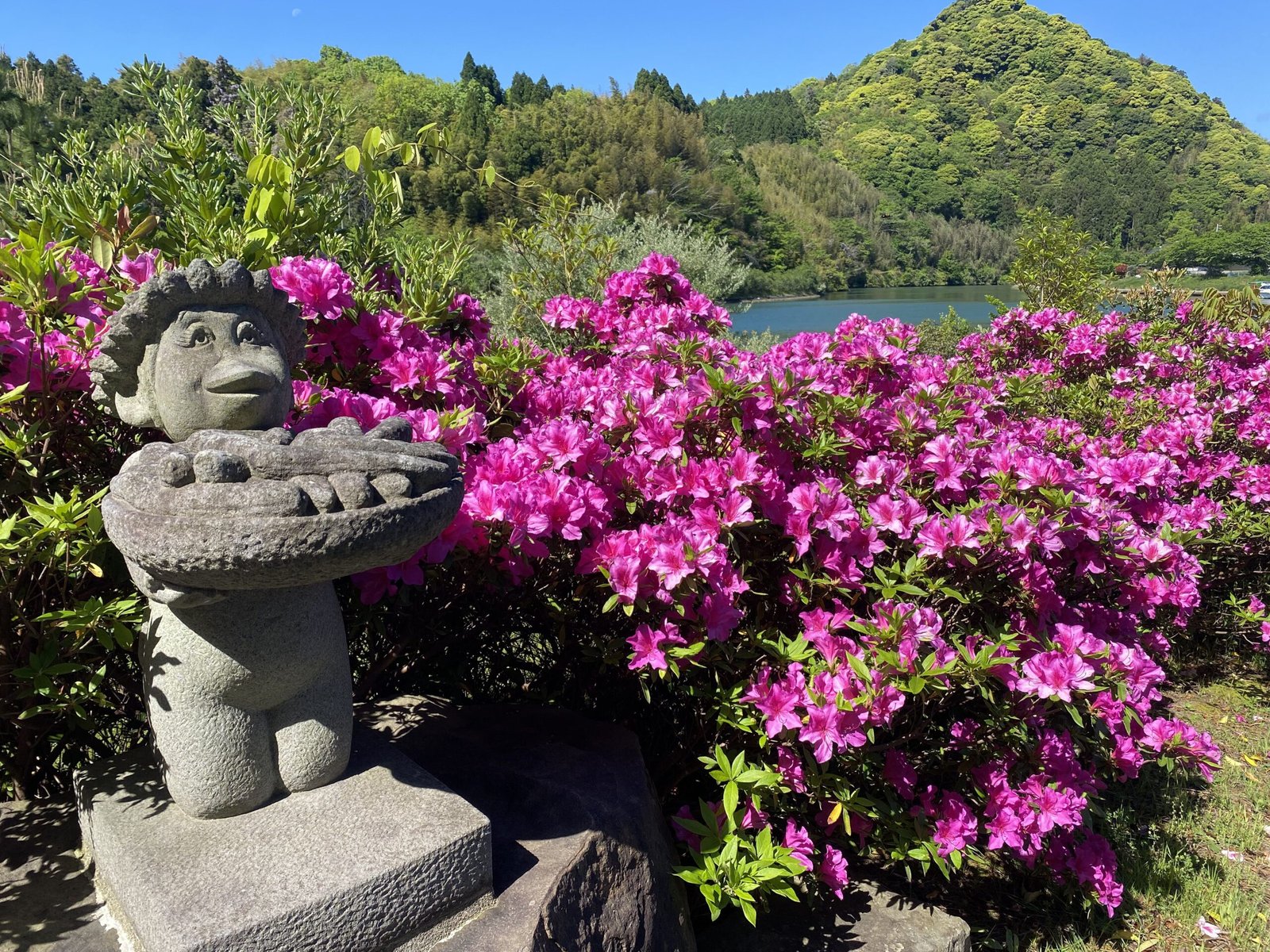
Leaving Nanao behind, today’s ride heads deeper into the Noto Peninsula, where small fishing communities and agricultural landscapes dominate the scenery. Quiet secondary roads connect villages that have long depended on the sea and the surrounding farmland, offering a glimpse into everyday life in one of Japan’s most rural regions.
The route alternates between coastal sections and gentle inland roads, creating a varied day of riding with regular climbs and descents. Along the way, riders encounter traditional settlements, small fishing harbours and open views across the Sea of Japan as the landscape gradually becomes more remote.
Day 3 — Noto to Wajima
Day 3 — Noto to Wajima
96 km — 1,000+m elevation
Rolling coastal terrain with steady climbs.
Rice Terraces and Coastal Heritage
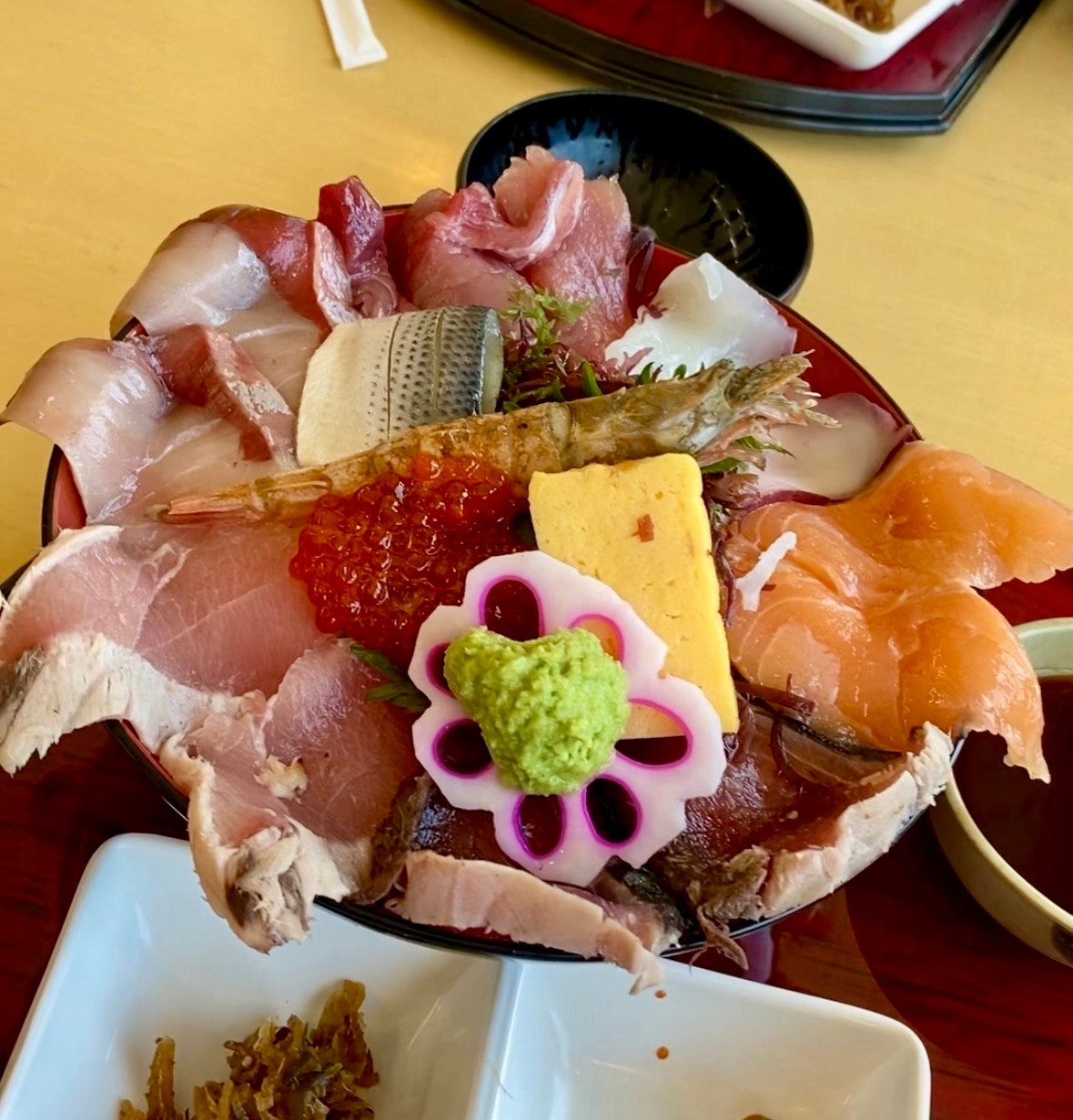
Today we ride along the western coast of the Noto Peninsula towards Wajima, one of the region’s most historic towns. The route follows a succession of fishing villages, rocky coastline and agricultural landscapes, offering some of the most characteristic scenery of the peninsula.
The highlight of the day is Shiroyone Senmaida, the famous rice terraces that descend directly towards the Sea of Japan. As we continue north, the road leads to Wajima, a town renowned for its lacquerware craftsmanship, fishing heritage and long connection to the sea. This is one of the most memorable stages of the tour, combining coastal riding with some of Noto’s most iconic landscapes.
Day 4 — Wajima to Hakui
Day 4 — Wajima to Hakui
82 km — 800 m+ elevation
Rolling coastal roads and gentle climbs.
Along Noto’s Western Coast
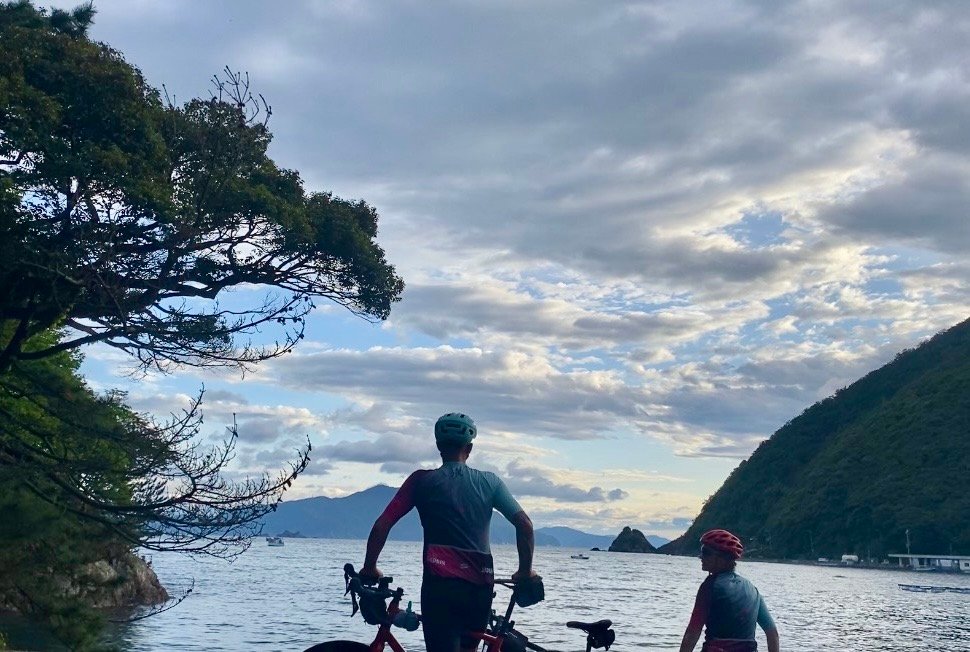
Leaving Wajima behind, we continue south along the western coast of the Noto Peninsula. Today’s route follows quiet roads through fishing villages, farmland and coastal scenery that has shaped local life for generations. The landscape feels noticeably more open, with frequent views across the Sea of Japan and a steady rhythm of short climbs and descents.
As we approach Hakui, the coastline becomes less rugged and the terrain more forgiving, offering a relaxed final day on the peninsula. This stage provides an opportunity to enjoy the slower pace of rural Noto before the journey continues towards Fukui and the Sea of Japan coastline further south.
Day 5 — Awara to Tsuruga (Shiokaze Line)
Day 5 — Awara to Tsuruga (Shiokaze Line)
78 km — 500 m elevation
Coastal roads with gentle rolling terrain.
Riding the Sea Breeze Coast
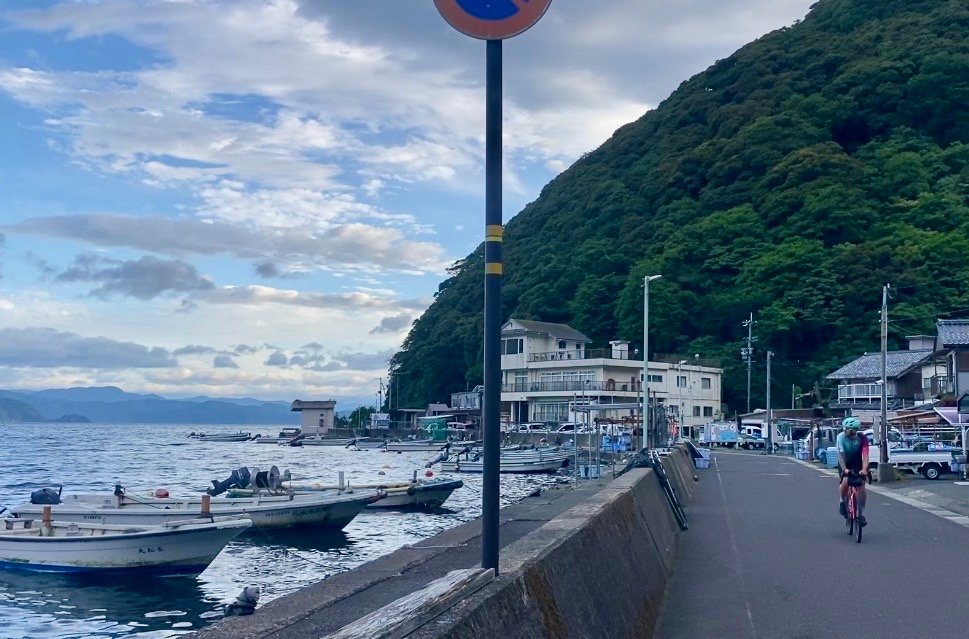
After leaving the Noto region behind, today’s ride follows sections of the Shiokaze Line, one of the most scenic coastal roads along the Sea of Japan. The route alternates between open sea views, quiet beaches, fishing harbours and small coastal communities that have long depended on the sea.
Compared with the rolling terrain of the Noto Peninsula, the riding is smoother and more flowing, allowing plenty of opportunities to enjoy the coastline. The day finishes in Tsuruga, an important historic port that for centuries connected the Sea of Japan with Kyoto and the rest of central Japan.
Day 6 — Tsuruga to Wakasa (Mikata Five Lakes)
Day 6 — Tsuruga to Wakasa (Mikata Five Lakes)
70 km — 600 m elevation
Rolling roads around lakes and forested hills.
The Lakes of Wakasa
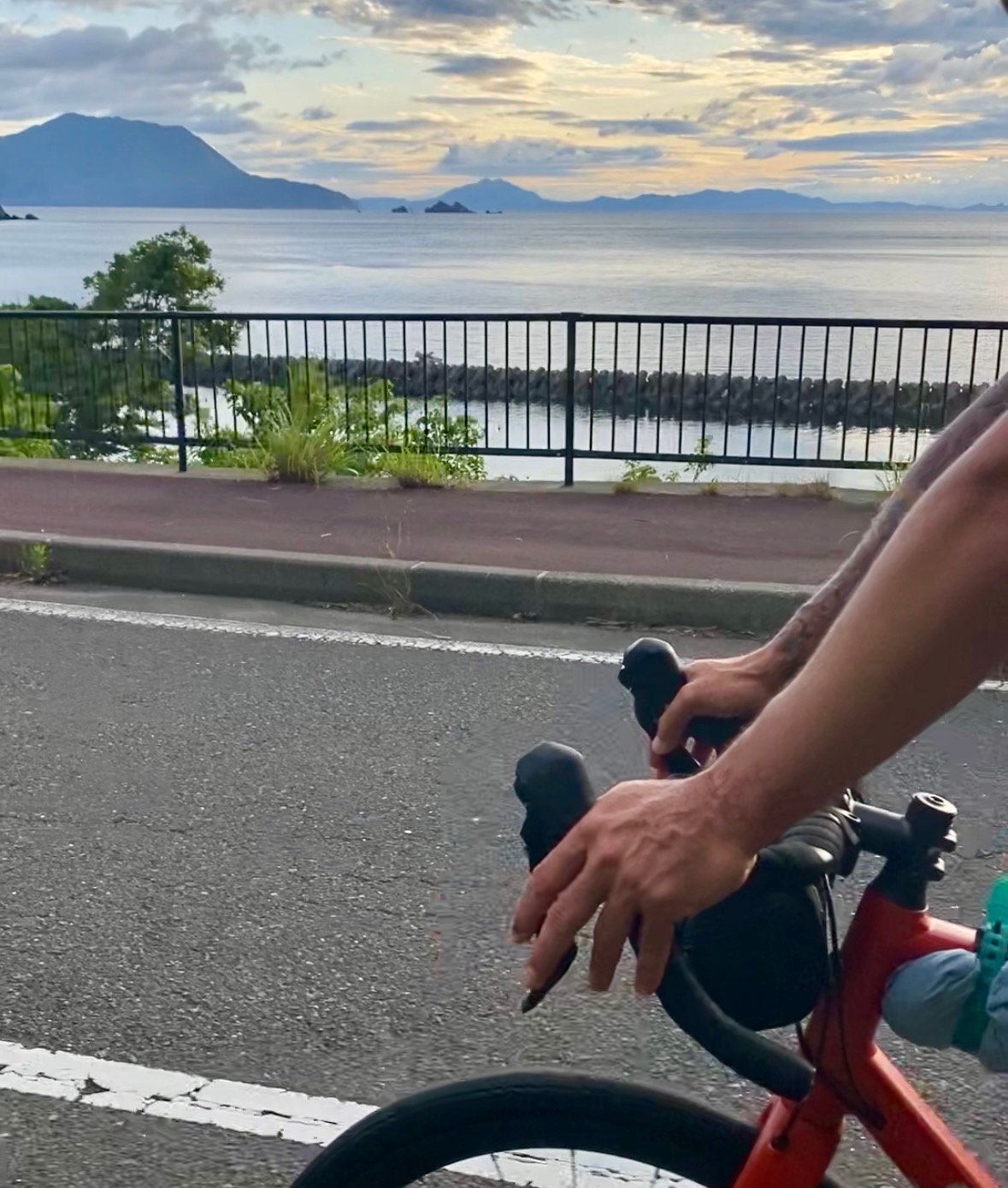
Today’s ride leaves the open coastline and enters the Mikata Five Lakes region, one of the most distinctive landscapes in Fukui Prefecture. Quiet roads wind between lakes, forests and small rural communities, offering a completely different atmosphere from the coastal stages of previous days.
The Five Lakes are connected by a unique system of waterways and are known for their different colours and ecological characteristics. For cyclists, the area provides peaceful riding, scenic viewpoints and some of the most tranquil roads of the entire tour before reaching the Wakasa region.
Day 7 — Wakasa – Obama – Maizuru
Day 7 — Wakasa – Obama – Maizuru
70 km — 600 m elevation
Rolling coastal roads and gentle hills.
Historic Ports of the Sea of Japan
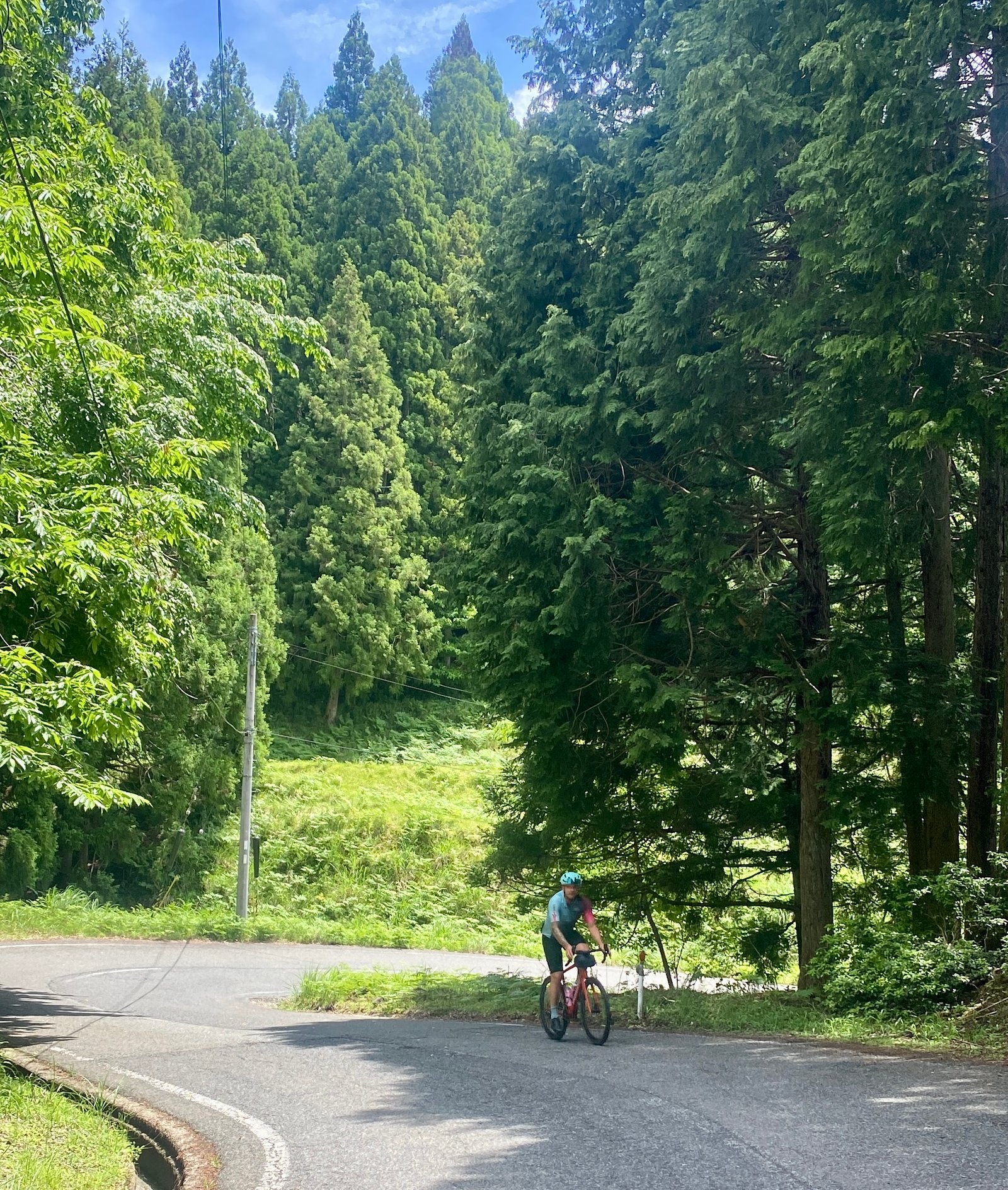
Today’s ride follows the Wakasa coastline towards Obama and Maizuru, two historic port towns that played an important role in connecting the Sea of Japan with Kyoto. For centuries, ships transported seafood, rice and goods along this route, creating what became known as the «Mackerel Road» between the coast and the ancient capital.
The route combines coastal scenery with quiet rural roads and small fishing communities. Along the way, we pass through Obama, known for its well-preserved historic district and maritime heritage, before continuing to Maizuru, one of Japan’s most important natural harbours.
Day 8 — Maizuru to Amanohashidate
Day 8 — Maizuru to Amanohashidate
88 km — 900 m elevation
Rolling coastal roads and moderate climbs.
Countryside Roads & Cultural Landmarks
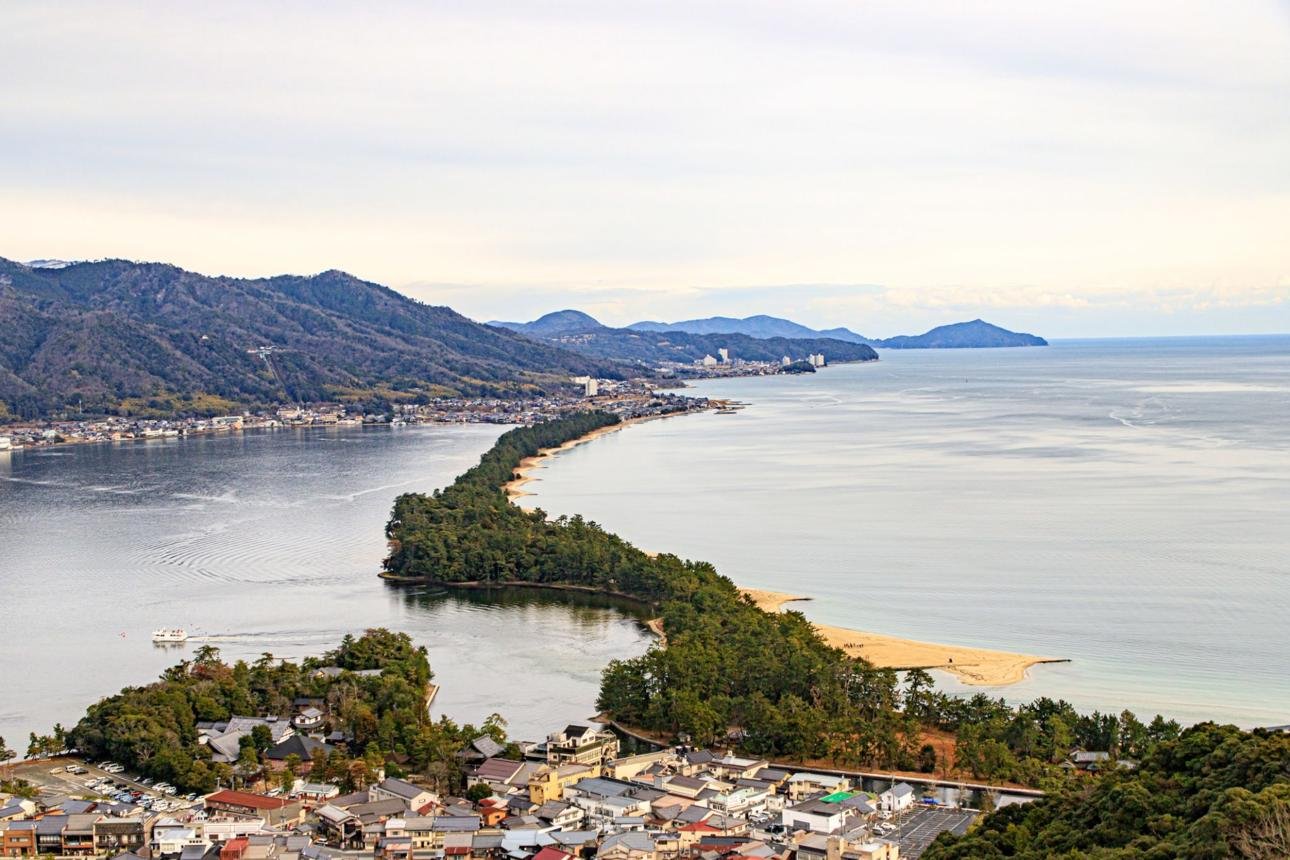
The final stage follows the coastline of northern Kyoto Prefecture towards Amanohashidate, one of Japan’s most celebrated landscapes. The route combines coastal roads, small fishing communities and sections of rural countryside before reaching Miyazu Bay.
The journey concludes at Amanohashidate, a 3.6-kilometre sandbar covered by thousands of pine trees and recognised as one of Japan’s Three Scenic Views. After eight days of riding along the Sea of Japan, arriving at this iconic landmark provides a fitting end to the tour and one of the most memorable views of the entire journey.