How to Plan a Cycling Holiday in Northern Spain
Planning a cycling holiday in Northern Spain starts with a few important decisions: where to ride, how far to cycle each day, what type of terrain you enjoy and how much time you want to spend exploring away from the bike.
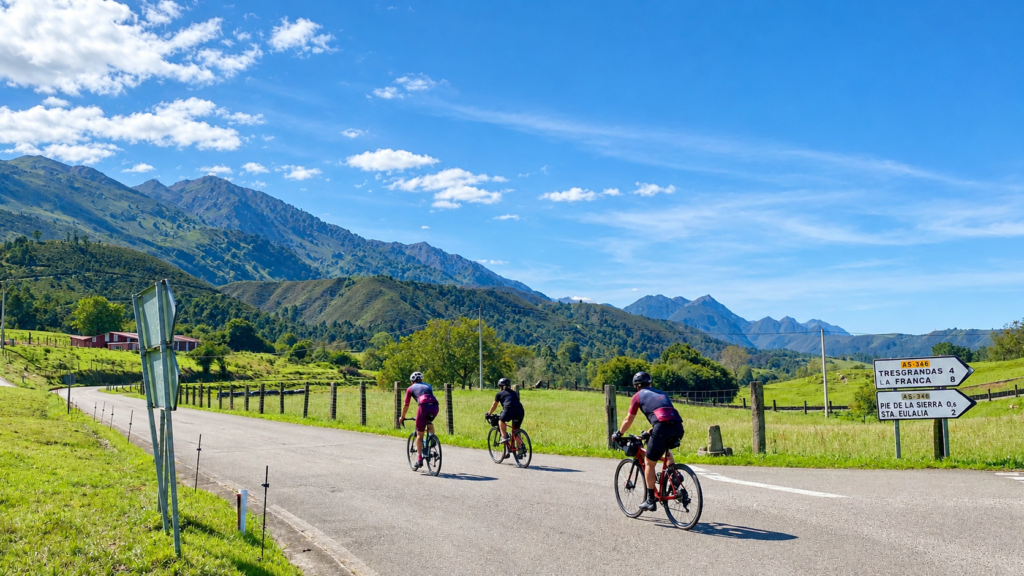
Northern Spain is particularly suited to travellers who want to combine cycling with food, culture and varied landscapes. You can ride through the vineyards of La Rioja, explore the green hills of the Basque Country, follow coastal roads in Cantabria and tackle mountain climbs in Asturias.
At Vamos Bike Tours, we help cyclists discover these regions through carefully planned cycling experiences, including private itineraries adapted to different levels and interests.
This guide covers the main points to consider before organising your trip.
1. Choose the Right Region for Your Cycling Holiday
The first step is deciding what kind of cycling holiday you want. Northern Spain is not one uniform cycling destination: each region offers different terrain, scenery and experiences.
La Rioja: wine, countryside and varied routes
La Rioja is a strong choice if you want to combine cycling with wineries, traditional villages and local gastronomy.
The region offers rolling roads through vineyards, countryside routes and more demanding rides towards the surrounding mountains. It can work well for both road cyclists and gravel riders, depending on the route.
It is also a practical starting point for a wider journey through Northern Spain.
The Basque Country: rolling hills and varied terrain
The Basque Country suits cyclists who enjoy green landscapes, winding roads and frequent changes in elevation.
It can be included in a multi-day itinerary with La Rioja, adding a different landscape and food culture to the trip.
Cantabria: coast and countryside
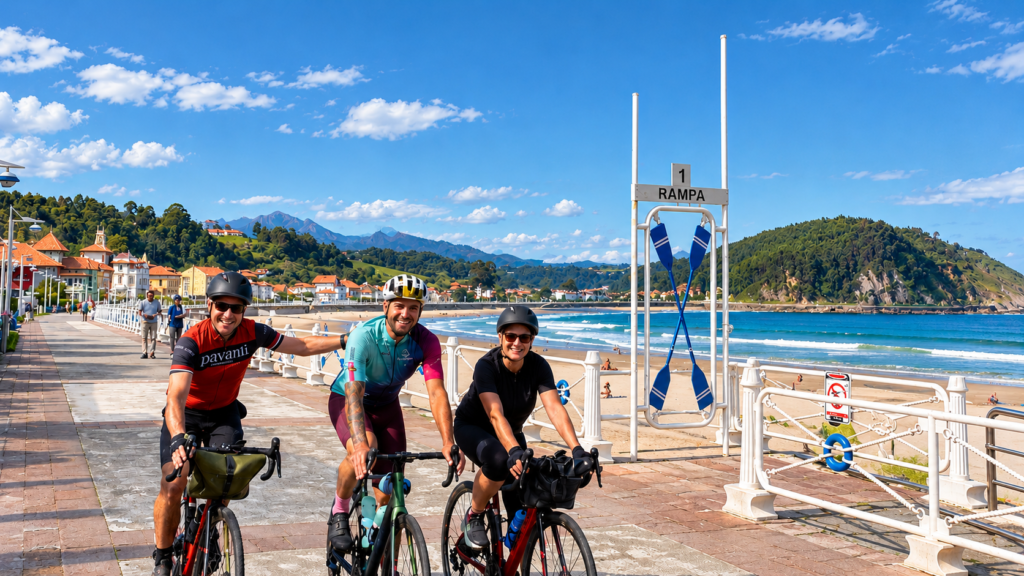
Cantabria offers a combination of coastal scenery, rural roads and green valleys. It is a good option if you want to balance riding with stops in villages and places overlooking the sea.
Asturias: mountains and challenging climbs
Asturias is a destination to consider if mountain cycling is a priority. Routes around the Picos de Europa and climbs such as Covadonga can add substantial elevation gain to your trip.
If you prefer shorter or less demanding rides, an itinerary can focus on more accessible roads and valley routes instead.
Tip: You do not need to visit every region on your first trip. Choosing two or three areas that match your interests can make the experience more enjoyable than trying to cover too much ground.
2. Decide How Many Days You Have
The length of your holiday will influence the route, the number of regions you can visit and the time available for cultural stops.
A short cycling break: 3–4 days
A shorter trip works well when you focus on one region. La Rioja, for example, allows you to combine vineyard roads, local food and visits to historic villages without changing accommodation every night.
A multi-day cycling holiday: 5–7 days
With five to seven days, you can explore a region in greater depth or combine nearby destinations.
A route could start in La Rioja and continue through the Basque Country or Cantabria, depending on the daily distances and transport arrangements.
A longer journey: 8 days or more
A longer holiday offers more flexibility to combine several regions, include mountain stages and allow rest or sightseeing time.
A route from La Rioja to Asturias can be a starting point for planning a journey across Northern Spain. The itinerary should be designed around the total distance, climbing and logistics rather than the number of regions alone.
3. Choose the Right Daily Distance and Difficulty
One of the most important planning decisions is how much cycling to do each day.
Distance alone does not determine difficulty. A 70-kilometre route with several steep climbs can be more demanding than a longer ride across rolling countryside.
When planning your trip, consider:
- Distance: the number of kilometres you are comfortable riding.
- Elevation gain: how much climbing you want to do each day.
- Terrain: smooth tarmac, rougher rural roads, gravel tracks or mountain passes.
- Time available: whether you want a full day on the bike or time for sightseeing.
- Recovery: how consecutive days of riding will affect your energy.
For a relaxed holiday, shorter rides and time for stops may be the best choice. Experienced cyclists may prefer longer stages and more climbing.
Be realistic about your current fitness rather than choosing an itinerary based only on your strongest training day.
For more guidance, read our article Am I Fit Enough for a Cycling Trip?.
4. Decide Between Road Cycling, Gravel and E-Bikes
Your choice of bike will influence which routes are suitable and how you experience the region.
Road cycling
Road cycling is a good option for riders who enjoy paved rural roads, longer distances and mountain climbs.
Northern Spain offers opportunities for both rolling rides and demanding mountain stages. A route can be designed around your preferred balance of distance and elevation.
Gravel cycling
Gravel riding allows you to explore suitable unpaved tracks and rural roads away from the main traffic routes.
In La Rioja, gravel itineraries can include vineyard areas and routes towards the surrounding countryside and mountains. The suitability of each track depends on the surface, weather, bike and tyres.
E-bikes
An e-bike can make a varied itinerary more accessible, particularly if your group includes riders with different fitness levels.
However, an e-bike does not eliminate the need to consider distance, elevation, battery range and charging arrangements. These details should be checked when planning the route.
Choose the bike that suits the terrain and the kind of holiday you want, rather than selecting it only on the basis of distance.
5. Choose the Best Time to Visit Northern Spain
The best dates depend on the regions you plan to visit and the type of riding you want to do.
Spring: April to June
Spring can be an attractive time to ride through the countryside, with longer days as the season progresses. Weather can still be changeable, particularly in the mountains and along the northern coast.
Summer: July and August
Summer offers long daylight hours, but temperatures can be high in inland areas. Coastal conditions may be different, so the route should take account of the expected weather and elevation.
Autumn: September to November
Early autumn can be particularly appealing in La Rioja, when vineyards change colour and conditions may be suitable for cycling.
As autumn progresses, daylight becomes shorter and mountain weather can become less predictable. Dates should be chosen with the route and altitude in mind.
For a broader overview, see our guide to the best time to cycle in Spain.
6. Plan Accommodation and Luggage Transfers
Accommodation is an important part of a multi-day cycling holiday.
There are two common ways to organise a trip.
Stay in one base
Staying in the same accommodation allows you to ride different routes each day without packing and moving your luggage.
This works particularly well for a regional holiday, such as exploring La Rioja, where several rides can start and finish in the same general area.
Travel from one region to another
A point-to-point itinerary allows you to discover different landscapes and towns as you travel across Northern Spain.
However, changing accommodation requires more planning. You need to coordinate arrival times, luggage transfers, route distances and any transport required between stages.
Before booking, check what is included in the tour and whether luggage transport or other support services are available.
7. Decide How to Get to Northern Spain
Your arrival airport or train station can influence where your cycling holiday should begin.
For a trip focused on La Rioja, Logroño and the surrounding area can serve as useful starting points, depending on your travel connections.
For an itinerary that continues towards Asturias, the arrival and departure points may differ. Planning the route around transport connections can help avoid unnecessary transfers.
Before finalising your trip, consider:
- Where you will arrive and depart.
- Whether you need a transfer to your starting point.
- How you will transport your bicycle, if bringing your own.
- Whether your route finishes in the same region where it begins.
- How much time you need for transfers before and after riding.
For a multi-region journey, it is worth considering transport logistics before choosing the daily stages.
8. Combine Cycling with Local Food and Culture
A cycling holiday in Northern Spain can include much more than the time spent on the bike.
In La Rioja, you can explore wine-producing areas, visit wineries and discover historic villages. The Basque Country offers its own culinary traditions, while Cantabria and Asturias provide coastal and mountain settings for exploring local food and culture.
You can build these experiences into your itinerary rather than treating them as extras to fit in at the end of each day.
For example, you might plan a shorter cycling stage around a winery visit, include time to explore a historic town or leave a free afternoon after a demanding mountain ride.
The right balance depends on whether your priority is cycling performance, sightseeing or a combination of both.
9. Decide Between a Self-Guided and a Private Cycling Tour
The way you organise your holiday will influence how much planning you need to do yourself.
Self-guided cycling
A self-guided trip may suit riders who prefer to manage their own daily schedule and navigate independently.
You should be comfortable following the route, checking conditions and dealing with changes to your plans.
Private cycling tours
A private tour can be a good choice if you want an itinerary adapted to your group, riding level and interests.
With Vamos Bike Tours, we can help plan routes across La Rioja and other parts of Northern Spain, taking into account your preferred distances, climbing, accommodation arrangements and the experiences you want to include.
Private itineraries are particularly useful for groups whose members have different priorities or who want to combine cycling with wine, gastronomy and cultural visits.
Before booking any tour, confirm the level of support provided, what is included in the price and which arrangements need to be made separately.
10. Create a Cycling Holiday That Suits You
The best cycling holiday is not necessarily the one with the most kilometres or the most regions. It is the one that matches your interests, fitness and available time.
Before booking, make sure you have considered:
- Your preferred cycling style and bike.
- The distance and elevation you want to ride each day.
- The regions you most want to explore.
- Your travel dates and transport arrangements.
- The balance between riding, food, culture and sightseeing.
- Your accommodation and luggage requirements.
- Whether you prefer a private itinerary or an independently organised trip.
A little planning can make the difference between a trip that feels rushed and one that gives you time to enjoy Northern Spain properly.
Plan Your Cycling Holiday with Vamos Bike Tours
At Vamos Bike Tours, we are based in La Rioja and specialise in cycling experiences in Northern Spain. We can help you plan a trip focused on one region or create a route that combines La Rioja, the Basque Country, Cantabria and Asturias.
Whether you prefer relaxed days through vineyards, gravel routes in the countryside or challenging mountain stages, your itinerary can be shaped around your riding level and travel preferences.
Tell us how you like to ride, how many days you have and what you want to discover. We can help you plan a private cycling holiday in Northern Spain.
Explore our Northern Tour from La Rioja to Asturias or contact Vamos Bike Tours to discuss your trip.
Frequently Asked Questions
How many days do I need for a cycling holiday in Northern Spain?
Three to four days can work well for exploring one region. A week or longer gives you more options to combine destinations, although the best duration depends on your preferred distances and travel arrangements.
What is the best region for a cycling holiday in Northern Spain?
La Rioja is a good option for cyclists interested in vineyards, rural roads and gastronomy. The Basque Country offers varied terrain, Cantabria combines coastal and inland riding, and Asturias is particularly appealing for mountain cycling.
When should I book a cycling holiday in Northern Spain?
Plan your dates around the preferred riding conditions, accommodation and any special experiences you want to include. Booking ahead is advisable if you have fixed dates or specific accommodation requirements.
Can beginners cycle in Northern Spain?
Yes, provided the route is selected carefully. Choose manageable daily distances, suitable elevation gain and roads or tracks appropriate to your experience. A tailored itinerary can help you avoid routes that are too demanding.
Can I organise a private cycling tour across several regions?
Yes. A private itinerary can combine different regions according to your available days, riding level and interests. The route should also account for transfers, accommodation and the time needed to enjoy each destination.
What should I bring on a cycling holiday in Northern Spain?
Bring suitable cycling clothing for changing conditions, a helmet, riding shoes, repair essentials and any personal equipment you need. The exact kit depends on the season, terrain and whether you are riding road or gravel. Check in advance what equipment and support your tour provides.